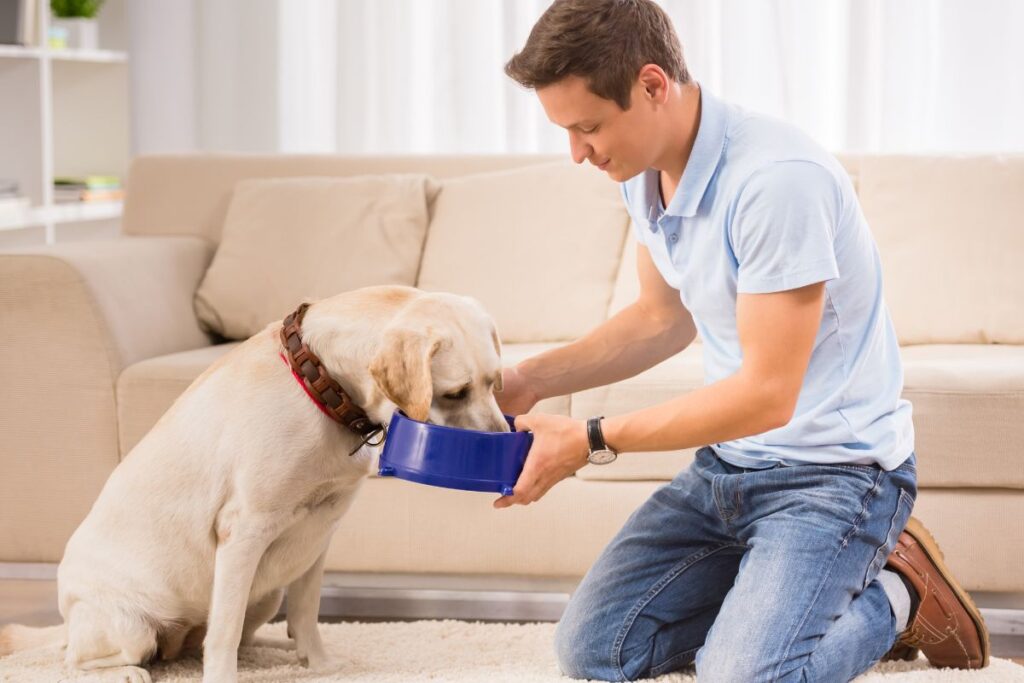
Weight Loss for Dogs: What to Know & How to Help

One of the easiest and most important things you can do for your dog’s health span is ensuring they stay at an ideal weight and body condition. In fact, it’s vital for their long-term wellbeing— dogs that maintain an ideal body condition can live up to two and a half years longer than overweight dogs.

Weight gain happens to many dogs at some point in life. Maybe it starts with them looking a bit “fluffy” or “chubby,” and perhaps one day, they’ve packed on some noticeable pudge. While we can call it all the cute names we want, overweight and obesity in dogs is a serious matter. But it’s also one that we as pet owners can help reverse with a little knowledge and diligence—adding years and immeasurable health benefits to our dog’s life.

Weight loss for dogs isn’t easy, but this guide can help simplify it for you. We’ll chat all things weight loss, including assessing your dog’s current weight, calculating their energy requirements, choosing the right dog food for weight loss and formulating a plan to help them achieve a healthy weight, so you can enjoy more slobbery kisses, tail wags and a longer, more enjoyable life with your furry best friend.

Last Updated 

TFD Article Hero

Why a Healthy Weight Matters

According to a 2023 survey conducted by the Association for Pet Obesity and Prevention, 59 percent of dogs in the U.S. are classified as overweight or obese. As you can imagine, extra weight puts extra strain on a dog’s body—it’s linked with a host of health problems like arthritis, liver disease, diabetes, heart failure, high blood pressure and cancer. Unfortunately when a dog is overweight or obese, it’s not a matter of whether they will develop a condition secondary to the excess weight, just how soon and how serious the condition will be.

We think most pet owners would agree that we want our fur-babies as healthy as possible, for as long as possible. Keeping a dog at a healthy weight not only helps them live longer, but increases their quality of life in those years as well. This is one thing that us pet parents can actually have control over when it comes to our dog’s health, and it makes a huge difference in their lives.

How to Tell if Your Dog is Overweight

Your veterinarian team will typically assess your dog’s weight with a combination of body weight measured by a scale, and body condition scoring (BCS) measured by a physical inspection and corresponding score. 

There are two BCS scales, one that ranks body condition from one to five, and the second one from one to nine. Many vets prefer the precision of the nine-point scale, which ranges from one being too skinny, to nine being obese and four to five being an ideal body score that indicates a healthy amount of muscle and body fat.

Familiarizing yourself with the BCS scale is an easy way to be proactive about your dog’s health. It’s a simple way to assess things at home between vet visits, especially if you’re embarking on a weight loss journey with your dog. 

So how does it work? Here’s how to perform an at-home body condition check for your dog:

  1. Rib Check: Run your hands along your dog’s side. Can you easily feel the ribs, or do you have to push hard to feel them? If the latter, your dog may have some excess fat around the ribs. Are the ribs too prominent? This indicates they may be underweight.
  2. Waist Check: Look at your dog from above. Do they have a defined waist that tapers in? This is a sign of a healthy weight. If the waist tapers in too much causing the hip bones to protrude, they may be underweight. Conversely, if there is no defined waist, or a rounding outward instead of a tuck inward, this may be a sign of overweight or obesity. 
  3. Tummy Test: Stand next to your pup and look at their profile as they stand naturally. An ideal body condition is indicated by a slight tuck or upward slope in the stomach area. Does their stomach hang low or appear bulging or sagging? If so, they may be overweight.  

Reference the body condition score chart for dogs provided on the American Association for Pet Obesity and Prevention’s website to see a visual guide for each body type from very thin to thin, ideal, overweight and obese.

Food Requirements for Weight Loss

Much like with us humans, losing weight can be challenging for dogs too. And for both humans and dogs, food plays a major role in a successful weight loss plan.

Providing your dog with a balanced and complete diet that meets their nutritional needs is essential. Safe and effective weight loss is supported by quality protein, fiber and the right balance of vitamins and minerals. When your dog is eating less food to lose weight, you’ll want to make sure to choose a food that has adequate nutrients at their weight loss portion. Otherwise, you can risk nutrient deficiency.

Fresh food diets are a great way to support healthy weight loss for dogs. A reputable brand will make their recipes with high quality protein and fiber, and the fresh formulation has a higher moisture content that helps keep your dog satisfied without the fillers typically found in kibble. 

The Farmer’s Dog is an excellent choice when it comes to selecting a food to support healthy weight loss for your dog. Here are some of the main reasons The Farmer’s Dog stands a nose—and tail—above both kibble and other fresh brands:

  • Pre-Portioned & Tailored: Unlike traditional bagged kibble, The Farmer’s Dog takes everything into consideration when formulating your dog’s calorie requirements, from age and activity level to weight, body composition, spay and neuter status and breed. With this precise calculation, they ensure your dog gets the right amount of food to support healthy weight loss. It’s shipped right to your door in pre-portioned packs that eliminate the guesswork of how much to feed. This factor alone removes some of the main roadblocks to weight loss, setting you and your dog up for success from the get-go.
  • High Quality Ingredients & Preparation: All of The Farmer’s Dog’s fresh recipes are made with high quality, human-grade ingredients and cooked at a low temperature, which preserves the nutritional value. Retaining nutrient value is important, because it means your dog gets more nutrients per calorie and doesn’t miss out on essential vitamins and minerals to support optimal nutrition. This preparation method results in a highly digestible food, which is great for their GI system as well as ensuring proper uptake of all those nutrients.
  • Continual Support: Your pup’s plan with The Farmer’s Dog is always adjustable, and the team is on standby 24/7 to provide support for your dog’s weight loss. Plus, they’ll check in periodically to regularly to make sure that your pup is getting the right amount of calories for their current weight. Think of them as a valued partner in your pet’s healthy weight journey.

Energy Requirements for Dogs

Many factors influence your dog’s caloric needs, including breed, size, age, activity level, health status, medical needs, body condition and whether they’re spayed or neutered. Because these factors are so specific to your dog, it makes it tough to rely on the generic feeding guides provided on the average dog food packing, especially when your dog needs to lose weight.

There are formulas and calculators online for calculating your dog’s energy requirements at home, but these can be generalized and don’t take a lot of your dog’s specifics into account. It’s best to partner with your vet, as they know your pet’s medical history and can calculate a caloric intake that’s suitable for your dog.

A company like The Farmer’s Dog can be a helpful resource too, providing an initial calorie calculation that’s customized to your dog’s needs, which, along with the pre-portioned packs of fresh food, help set you—and your pup—up for success. Portion sizes can always be adjusted based on your dog’s unique and changing needs, making The Farmer’s Dog a great partner in your pup’s weight loss plan.

Healthy Weight Loss is Gradual

While you may be eager to get your dog to a healthy weight, the best weight loss pace is slow and steady. Why is a gradual pace important? Losing weight too fast can lead to dangerous nutritional deficiencies and other serious health issues.

The Association for Pet Obesity and Prevention cites that dogs can safely lose between three to five percent of their body weight per month. Of course, this depends on the dog’s age, size and condition. Your vet can help establish a healthy cadence for weight loss that’s specific to your dog’s needs and medical history. 

The main take-home here is that it’s important not to rush this process. Most dogs will achieve their ideal weight within six to eight months. Some dogs may need to lose weight more slowly, while others may shed excess pounds more quickly. No matter which camp your pup falls into, it’s important to weigh them regularly to track their progress so that you can work with your vet to make adjustments as needed. 

Weight Loss Plan for Dogs

We’ve talked statistics and specifics. We’ve thrown assessments, requirements and even math equations your way. And while it all adds up to a solid plan for helping your dog lose weight, it can still feel overwhelming when it comes time to get started.

So to close this out, we’ll leave you with a step-by-step guide that covers exactly what to do to ensure you’re creating a plan that’s safe, healthy and effective for your pup:

  1. Consult Your Vet: First thing first: Always check with your vet first before starting your dog on a diet. Work with your vet to evaluate your dog’s current body condition score, determine an ideal or target weight and rule out any underlying medical issues.
  2. Make Dietary Adjustments: Calculate your dog’s daily energy requirements and create a “step” weight loss plan to gradually step down their caloric intake over time. Measure or weigh your dog’s meals to ensure precise portions, and don’t forget—treats are calories, too. Be sure to include them in your dog’s daily calories.
  3. Increase Exercise: Diet is paramount, but exercise plays a role in weight loss, too. Exercise can help dogs maintain lean muscle mass as they lose weight, which is essential for overall health. Aim for 30 minutes of exercise daily, and work up from there. If your dog hasn’t been exercising, start slow with five-minute walks, twice a day, and add five minutes per week, gradually increasing the walk time as they get used to the activity. 
  4. Monitoring & Patience: Weigh in once a month and work with your veterinary team to make adjustments and changes as needed. And most of all, stay consistent and be patient. Safe weight loss is slow and steady, and it will be worth the wait in the end.

Weight Loss Tips for Dogs

Once you start your dog on a reduced-calorie diet, they may be hungrier than usual for the first few weeks. Here are some tips that can help curb hunger and begging as your dog adjusts to their new meal plan:

  • Feed Small & Frequently: You may want to consider feeding smaller, more frequent meals to increase satiety and reduce begging between meal time. To do this, divide the total calories by the number of feedings—some people go up to four or even six small feedings per day.
  • Distraction & Interaction: If your dog is begging for treats or food, try taking them outside, petting them, brushing them or playing a game with them. This may offer just enough distraction to help them forget about food until it’s time to eat again.
  • Healthier Treats: Opt for low calorie treats like baby carrots, cucumber slices and green beans to support healthy weight loss. Most dogs love crunchy treats, so try out a few options to see which ones are the highest value for your pup.
  • Keep Them Hydrated: Be sure they have plenty of fresh water available throughout the day to help with satiety. And if your dog is hanging out next to their empty food bowl between meals, try filling it up with fresh water for them instead.

Helping your cuddly canine shed a few pounds may be more achievable than you think. It requires commitment, attention to detail and taking advantage of the right resources, like a partnership with your veterinary team, and maybe even help from a pre-portioned fresh food company like The Farmer’s Dog. But in exchange for the hard work, the rewards are plenty: More years with your pup in better health, which makes those extra years more enjoyable, too.

brand logo

9.9

9.9

Limited Time Offer!
Get 60% Off Your First Box

Methodology

The Consumer Rating Difference

Behind Our Best Dog Food Delivery Ratings

We make choosing the best dog food delivery plan easy with expert reviews and rankings. Here’s the methodology behind our ratings:

icon

Exhaustive Research

From the best dog food for allergies to the best dog food for puppies, we do a deep dive into the data to ensure all our recommendations are backed by sound science.
icon

Dog Food Reviews

No one scrutinizes dog food like the parent of a fur-child. We comb through consumer forums and thousands of customer reviews to find out which dog food pet owners like best.
icon

Personal Experience

Our pet-loving experts tried out the top dog food delivery plans on their own furry friends so they could get the true experience before recommending the best dog food.
icon

Side-by-Side Comparisons

We compare the best dog food brands across key criteria to determine the best option for every pooch, from playful puppies to senior companions.

Trusted & Secure

Trusted & Secure