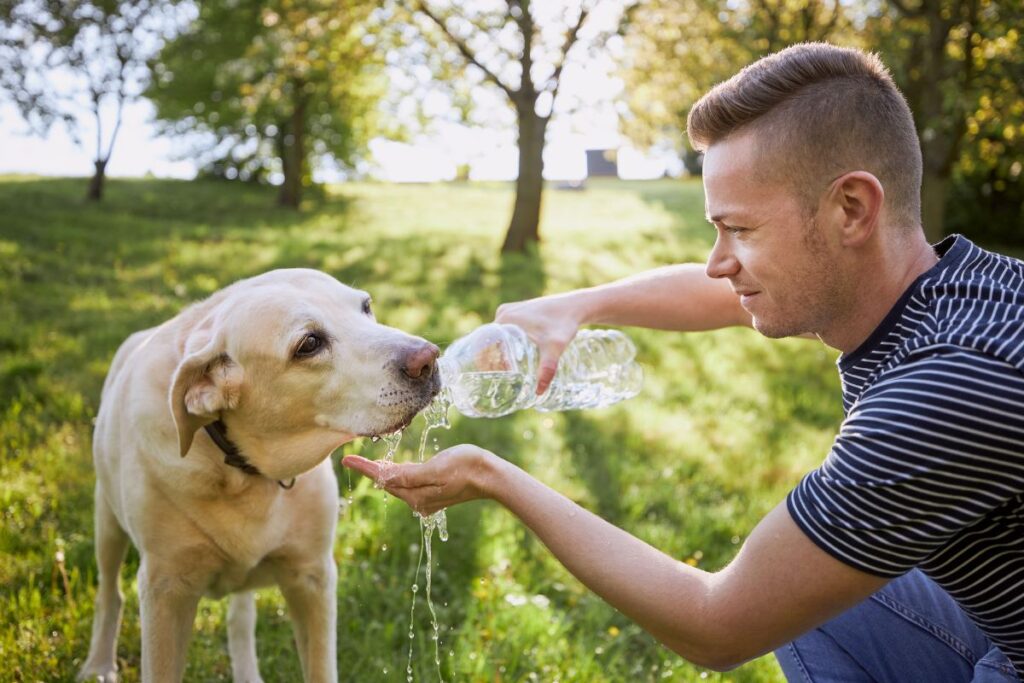
Just like with us humans, hydration is fundamental to just about every bodily function in dogs, from aiding digestion and nutrient absorption to regulating body temperature, improving cognitive function and cushioning joints. Every important bodily function requires water. But how do you know if your dog is dehydrated, and how much water do they need each day? Keep reading to find out.
Dog Hydration: Here’s What You Need to Know

Written by Jennifer Heimburg Smith

Reviewed by Deanna Otranto, M.S.
Last Updated
Hydration and Health Issues
Since hydration is vital to every bodily function, it’s easy to deduce that dehydration can negatively impact a dog’s health—and proper hydration can play a role in preventing a range of different health issues. For instance, consistent, adequate water intake can help:
- Reduce the risk of urinary tract infections and stones. Sufficient water intake helps flush out toxins, reducing the chances of crystal formation in the urinary tract and helping to prevent these painful health conditions.
- Support kidney and liver function. The kidney and liver are essential for detoxifying the body. Getting enough water each day helps these organs function optimally, ensuring your pup’s metabolic processes run smoothly.
- Aid digestive health. Water helps dogs break down their food and aids in the absorption of nutrients. Water also aids in the secretion of enzymes and acids that are vital to the digestive process. Proper hydration means a healthy gastrointestinal tract, and healthier poops for your pup.
- Make movement easier. Water lubricates and cushions the joints, making movement and mobility easier and less painful.
- Maintain normal body temperature. Since dogs don’t sweat like us humans, their primary way of maintaining normal body temperature is by panting, which causes water loss through evaporation. Water loss through panting (and even breathing) is normal, but ample water intake is critical in keeping their body temperatures regulated.
Signs of Dehydration
Pet dehydration is common. Older pets, sick pets and short-faced breeds are especially susceptible. Here are the signs to watch out for:
- Moving more slowly than normal
- Tiredness
- Loss of appetite
- Sunken eyes
- Panting
- Dry nose and gums
Additionally, when pets don’t take in enough water, their skin loses elasticity. You can test skin elasticity at home by gently pinching the loose skin over their shoulder blades. If it bounces back quickly, they are likely hydrated enough. If the skin relaxes back into place slowly, or remains tented for longer than a few seconds, your pet may be dehydrated.
How Much Water Does Your Dog Need?
In general, a dog should drink about one ounce of water per pound of body weight per day. This can vary based on activity level, weather, diet and overall health. Here are some tips for monitoring and encouraging hydration:
- Keep fresh water available at all times. Use multiple water bowls throughout the house and clean the water bowls daily to prevent bacteria and keep the water fresh.
- Bring water on the go. Always pack a to-go bottle or bowl of water when you’re away from home with your pup, especially for walks.
- Pay attention to how much water your dog drinks daily. If you notice them drinking significantly more or less than usual, contact your vet to rule out certain health conditions.
Unfortunately hydration is not always as simple as offering more water to your pup. Many dogs won’t drink additional water, even with flavor enhancers added.
However, a recent study with promising results may provide an easier way to keep your pup hydrated, without forcing extra drinking water.
Feeding Fresh Dog Food Increases Total Water Intake
That’s right: New peer-reviewed research, conducted by fresh dog food company The Farmer’s Dog and published in the Frontiers in Veterinary Research journal, showed that dogs eating fresh, moisture-rich, human grade food experienced improved total water intake and overall well-being.
The research is among the first of its kind to directly measure total water intake in dogs across different diets, providing valuable insight into canine hydration.
Before we jump into the details, it’s important to know that a dog’s “total daily water intake” comes from three different sources: Dietary water (or the water in the food they eat), drinking water, and water produced during the body’s process of turning food into energy.
Ok, on to the exciting stuff. In their new research, The Farmer’s Dog conducted a series of studies, each involving 10 healthy dogs. Here are the highlights:
- One study compared total water intake in dogs who ate a fresh food, The Farmer’s Dog diet to those who ate a dry kibble diet.
- Another study assessed how the same fresh food impacted the potential for urinary stone formation.
The dogs’ diets were analyzed by a third-party lab for moisture content, and researchers tracked daily food and water intake, along with weekly body weight, to assess the dogs’ hydration. And the results are exciting for us pet parents:
- The dogs fed The Farmer’s Dog fresh food consumed significantly more total daily water compared to the dogs fed kibble, even though the kibble-fed dogs drank more water.
- The dogs on The Farmer’s Dog diet drank less water from their bowls, which suggests that they were meeting most of their hydration needs through food.
- On average, the dogs fed The Farmer’s Dog diet exceeded their daily requirements by 40 percent.
Researchers also published results from an existing “urinary relative supersaturation” (RSS) study in dogs fed The Farmer’s Dog food. RSS studies measure the urine’s potential to form crystals (like kidney stones) in healthy dogs. The data from this study showed that, compared to a dry kibble diet, feeding fresh, human grade food increases total water intake, supports hydration and may benefit urinary health in dogs.
In all, this new research demonstrates that feeding your dog a fresh food diet like The Farmer’s Dog can play a meaningful role in helping your pup stay hydrated and supporting their vital bodily functions. For dogs prone to dehydration or kidney issues, feeding a fresh food diet can be a particularly effective way to ensure adequate water intake instead of relying solely on drinking water. And that’s good news for us die-hard dog lovers who want the very best for our furry companions.

Featured In



Featured In
Methodology
The Consumer Rating Difference
Behind Our Best Dog Food Delivery Ratings
We make choosing the best dog food delivery plan easy with expert reviews and rankings. Here’s the methodology behind our ratings:

Exhaustive Research
From the best dog food for allergies to the best dog food for puppies, we do a deep dive into the data to ensure all our recommendations are backed by sound science.
Dog Food Reviews
No one scrutinizes dog food like the parent of a fur-child. We comb through consumer forums and thousands of customer reviews to find out which dog food pet owners like best.
Personal Experience
Our pet-loving experts tried out the top dog food delivery plans on their own furry friends so they could get the true experience before recommending the best dog food.